

Understanding Skin Glycation
A Barrier-First Perspective on a Quiet Driver of Skin Aging
Much of the conversation around skin aging focuses on ultraviolet exposure, inflammation, and oxidative stress. These factors matter—but they are not acting alone. Glycation is a slower, less visible process that alters skin structure over time, often without early warning signs.
In clinical skin health, glycation is best understood not as a cosmetic concern, but as a structural one. It affects the proteins responsible for resilience, elasticity, and long-term tissue integrity. Addressing it requires a different mindset—one centered on regulation, not correction.
What Glycation Is—and Why Skin Is Vulnerable
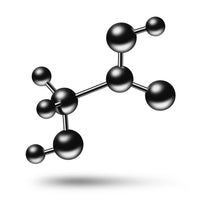
Glycation is a non-enzymatic reaction in which excess sugars bind to proteins or lipids, forming advanced glycation end products (AGEs). In the skin, AGEs most commonly affect collagen and elastin—proteins essential to firmness, flexibility, and tensile strength.
Once glycated, these proteins become stiffer and less functional. Their ability to respond to movement, repair, and environmental stress is reduced. Unlike many biological processes, glycation is cumulative and difficult to reverse, which is why its effects tend to surface gradually rather than suddenly.
In practice, glycation also amplifies oxidative stress and low-grade inflammation, further compromising skin function over time.
How Glycation Presents in the Skin
Early signs are often subtle and nonspecific. Over time, glycation may contribute to:
-
Loss of elasticity and recoil
-
A dull or sallow appearance
-
Deepening static lines, particularly in high-movement areas
-
Increased fragility or sensitivity as barrier function declines
These changes are not caused by glycation alone, but glycation can meaningfully compound other aging processes.
Factors That Accelerate Glycation
Glycation is influenced by both internal metabolism and external exposure. Common contributors include:
-
Frequent glucose spikes, often associated with refined carbohydrates and added sugars
-
Ultraviolet exposure, which accelerates AGE formation in the dermis
-
Environmental pollution, which increases oxidative burden
-
Smoking and excess alcohol, both of which promote protein cross-linking
-
Chronological aging, as antioxidant capacity and metabolic efficiency decline
From a clinical perspective, glycation risk is cumulative—small, repeated inputs matter more than isolated events.
Supporting Skin in the Presence of Glycation
While existing glycation damage cannot be fully reversed, its progression can be moderated. The goal is not to “undo” glycation, but to support skin structure, barrier function, and adaptive capacity.
Nutritional and Lifestyle Considerations
A lower-glycemic eating pattern may help reduce ongoing AGE formation by limiting repeated glucose spikes. Diets emphasizing fiber, protein, and healthy fats tend to be more supportive of metabolic stability.
Adequate sleep, stress regulation, and daily photoprotection also play meaningful roles. Chronic cortisol elevation and ultraviolet exposure both accelerate glycation-related tissue changes.
Topical Support
Topical skincare cannot directly remove AGEs, but it can support skin in ways that reduce their visible impact:
-
Barrier-supportive formulations help maintain hydration and reduce inflammatory signaling
-
Antioxidants help buffer oxidative stress associated with glycation
-
Gentle exfoliation, when appropriately timed, supports cellular turnover without increasing stress
At LBH, glycation is approached indirectly—by maintaining barrier integrity, respecting recovery cycles, and avoiding overstimulation. The objective is to preserve function, not force change.
Emerging Research in Anti-Glycation Science
Compounds such as certain polyphenols, carnosine derivatives, and cross-link inhibitors are being explored for their potential to limit AGE formation or activity. While promising, much of this research remains early and context-dependent.
For now, the most reliable strategy remains cumulative restraint: reducing unnecessary stressors while supporting the skin’s innate repair systems.
A Closing Perspective
Glycation does not announce itself quickly, and it does not respond to aggressive intervention. It reflects long-term patterns—dietary, environmental, and procedural.
A longevity-focused approach to skin aging recognizes this. By prioritizing barrier health, metabolic stability, and disciplined skincare protocols, it becomes possible to support skin resilience even in the presence of unavoidable aging processes.
Because in skin health, durability is rarely built through force—it is built through consistency.
Editorial & Clinical Notices
Editorial Notice
This content is provided for educational and informational purposes only. It is not intended to diagnose, treat, cure, or prevent any medical condition. Individual skin needs vary, and professional guidance should be sought where appropriate.
Medical Disclaimer
This article does not constitute medical advice and should not be used as a substitute for consultation with a qualified healthcare professional. Always seek guidance from your physician or licensed provider regarding medical conditions, dietary changes, or health-related concerns.
Professional Treatment Notice
References to aesthetic or clinical treatments are provided for informational context only. Suitability, timing, and outcomes depend on individual factors and should be determined by a qualified professional within a clinical setting.
Formulation Context
Ingredient references reflect general cosmetic research and formulation principles. Product performance depends on formulation, concentration, frequency of use, and individual skin response.